Cytisus scoparius
Scottish broom, English broom
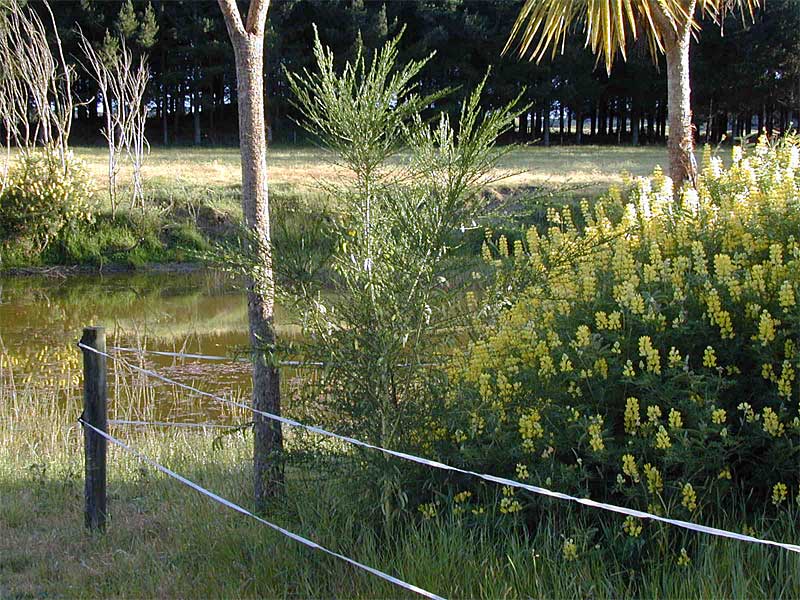
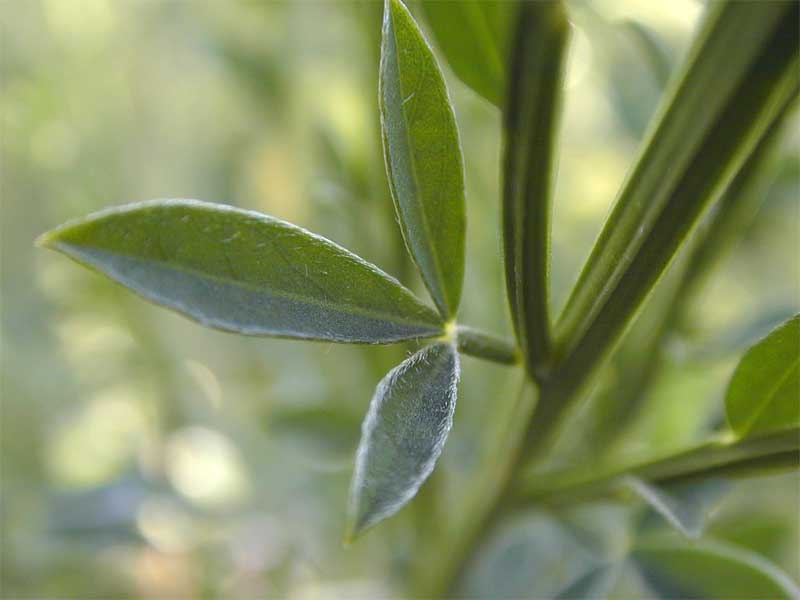
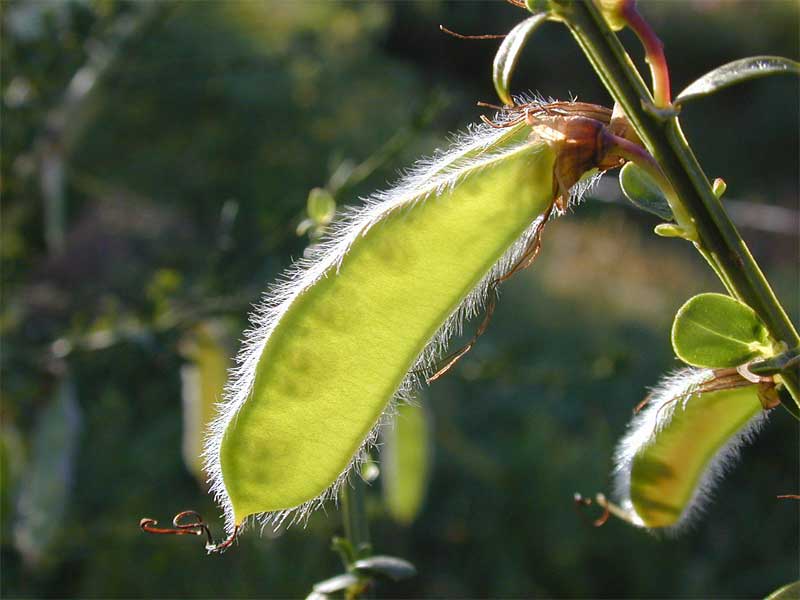
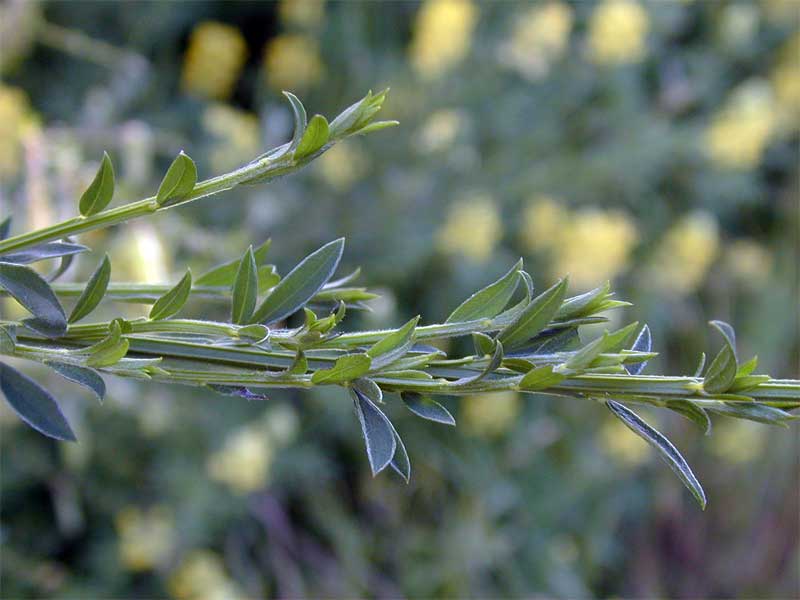
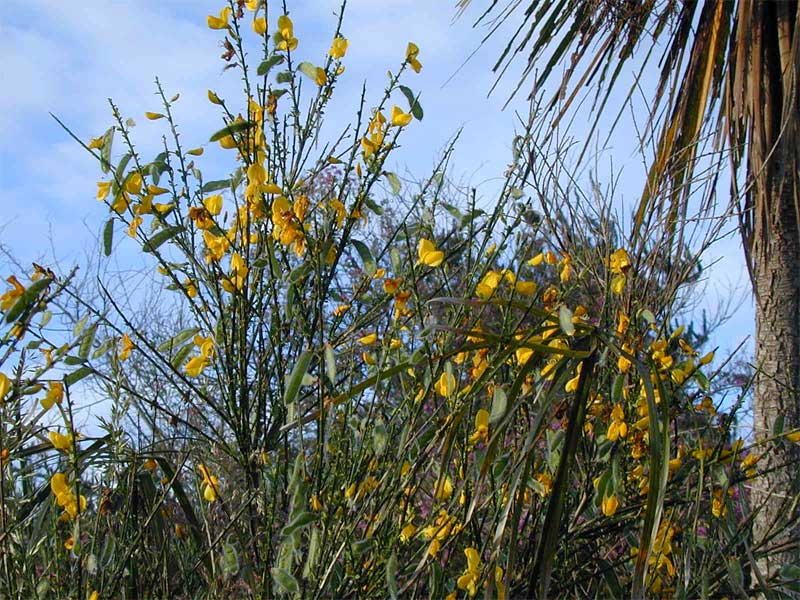
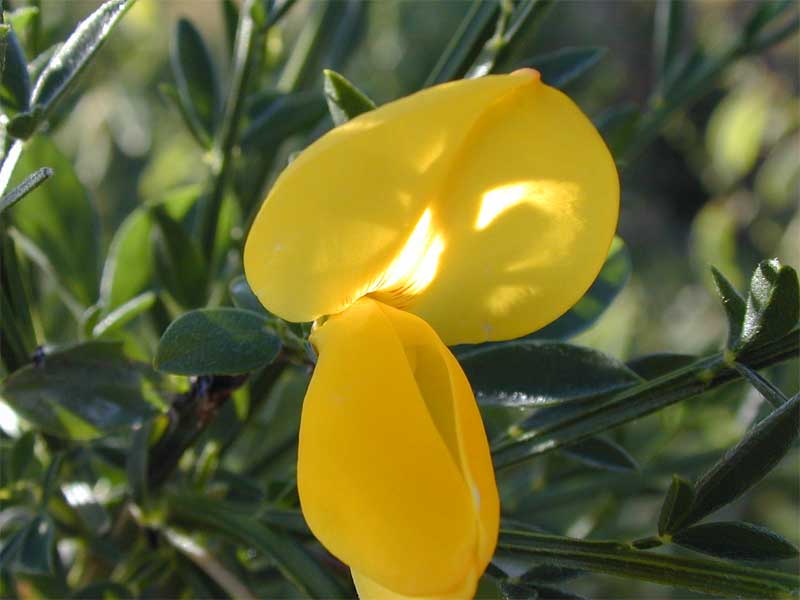
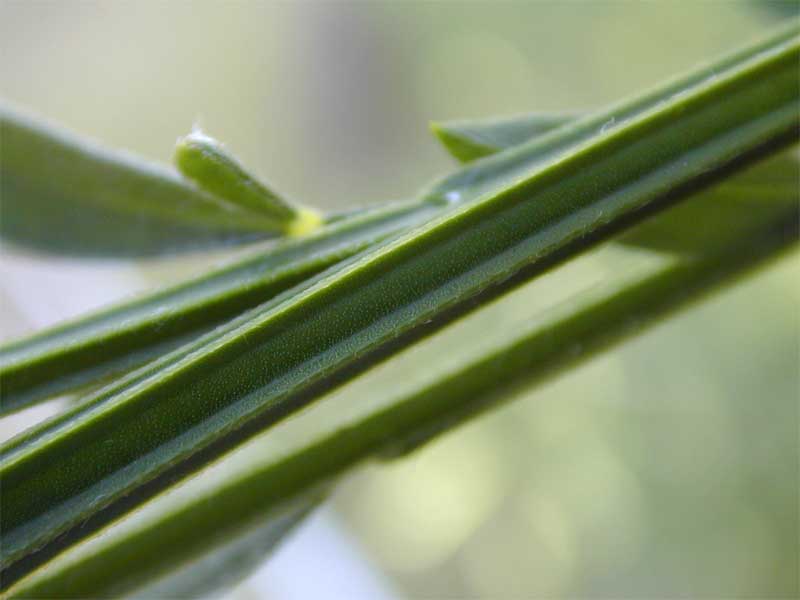
Small shrub, usually about 2m tall. Stems ridged with no spines. Leaves lanceolate and trefoil. Yellow pea-type flowers. Fruit - hairy pods which turn black when ripe.
Various European spp of broom (mostly Genista spp) are grown in gardens. They may be slightly more toxic but stock do not usually have access to them. Native broom is relatively rare and has pink flowers.
Common in waste ground all over, especially S. Island.
Cytisin, sparteine and isospartaine (alkaloids) are found in all parts. Scoparin (glycoside) is also present in low concentration. A very large amount of broom has to be eaten to cause problems, so it is generally regarded as non-toxic.
Mainly horses.
Usually mild gut upsets, although excitement and inco-ordination can be seen in (rare) severe cases.
No specific signs, but very unlikely to be fatal.
History
Symptomatic.
Good.
Connor, HE, The Poisonous plants in New Zealand, 2nd ed.,1977, Government Publications Ltd., Wellington