Aesculus hippocastanum
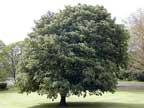
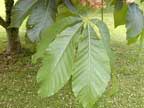
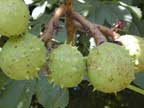
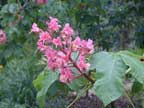
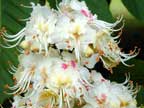
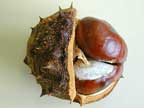
Cultivated deciduous tree with compound leaves, large sticky flower buds in spring and white or pink erect clusters of flowers. The fruit is a prickly capsule with a single flat nut.
A commonly grown hybrid with an American species has pink flowers.
Widely planted throughout New Zealand.
Toxin is uncertain, probably the glycoside aesculin which is closely related to hydroxycoumarin. Young leaves and flowers are probably most toxic.
The nuts and leaves have caused death in cattle and people. Poisoning has also been reported in horses and pigs but is rare in any species.
Nausea, vomiting, diarrhoea, weakness and paralysis; inflammation of mucous membranes.
No specific findings, gastroenteritis.
History, evidence of ingestion.
Bacterial gastroenteritis, viral gastroenteritis, other forms of toxicities.
No specific antidote, can only give supportive therapy and absorbents.
Unknown, but may be fatal.
Conner H.E. The Poisonous Plants In New Zealand. 1992. GP Publications Ltd, Wellington
Cooper M R, Johnson A W. Poisonous Plants and Fungi in Britan: Animals and Human Poisoning. Her Majesty’s Stationary Office. London. 1998