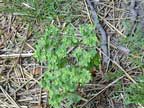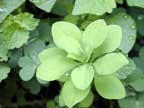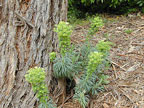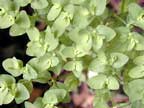
Euphorbia peplus
milkweed (several other plants are also called milkweed)
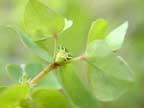
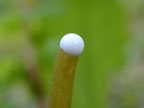
Small, bushy annual plant 20-30cm tall arising from a single stem. Leaves ovate, 15-25mm long. Flowers green and inconspicuous. Broken stems ooze “milk”.
Other Euphorbia species. There are 14 naturalised species and one native, plus many others grown in gardens. Not all are poisonous.
Common as a garden weed and in waste ground all over NZ.
Believed to contain a resin, an alkaloid (euphorbin, euphorbine or euphorbane) a dihydroxycoumarin and a substance named euphorbiosteroid. Tastes nasty so not often eaten. Large quantities are required for toxicity. May affect the taste of butter.
Horses, cattle and sheep (not chickens).
Salivation, severe swelling and inflammation of the mouth. Diarrhoea has been reported.
Gastrointestinal irritation.
Evidence of ingestion and clinical signs.
Symptomatic
Conner H.E. The Poisonous Plants In New Zealand. 1992. GP Publications Ltd, Wellington
Cooper M R, Johnson A W. Poisonous Plants and Fungi in Britan: Animals and Human Poisoning. Her Majesty’s Stationary Office. London. 1998
Parton K, Bruere A.N. and Chambers J.P. Veterinary Clinical Toxicology, 2nd ed. 2001. Veterinary Continuing Education Publication No. 208
4 October, 2007