Polygonum persicaria
redshank, Vietnamese mint, persicaria, knotweed
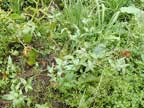
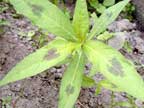
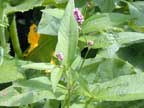
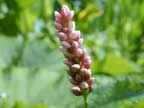
A straggly plant up to 60 cm tall, red tinged round shiny stems with swollen knots. Leaves simple almost stalkless, commonly with black blotches on the upper side. Very small pink flowers in dense clusters, about 3cm long. Seeds oval, black, about 2mm long.
Throughout NZ - a weed of gardens, crops, wet pastures, damp areas, ditches, and dried up swamps with good rainfall.
Unknown but extracts have been reported to cause 3 conditions: 1) the formation of methaemoglobin 2) photosensitivity after chronic exposure 3) lethal hypochromic anaemia and subacute hyperchromic anaemia
Livestock including sheep and pigs.
Believed to be a photosensitiser as it is closely related to buckwheat Fagopyrum safittatum. Dermatitis, haematuria and death have been reported.
Inflammation of the gastrointestinal tract.
History and clinical signs associated with ingestion or contact with the plant.
Other photosensitising plants or compounds e.g. ngaio, facial eczema, etc.
Keep in the shade or a dark building. Symptomatic care.
Avoid grazing hungry animals where the plants are growing.
Conner H.E. The Poisonous Plants In New Zealand. 1992. GP Publications Ltd, Wellington
Cooper M R, Johnson A W. Poisonous Plants and Fungi in Britan: Animals and Human Poisoning. Her Majesty’s Stationary Office. London. 1998
Parton K, Bruere A.N. and Chambers J.P. Veterinary Clinical Toxicology, 2nd ed. 2001. Veterinary Continuing Education Publication No. 208