Oxalis corniculata
Horned oxalis
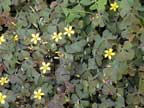
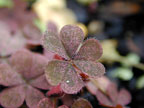
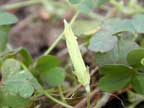
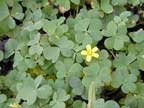
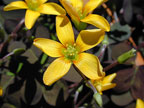
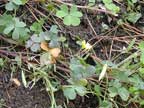
Creeping herb, leaves may be green or purple, flowers yellow, about 20mm diameter, with five petals. Distinctive pointed seed pods.
Bermuda buttercup but this has no creeping stems.
Common on cultivated ground everywhere.
Several cases of sheep poisoned in Australia, no reports from NZ.
Dullness, colic, depression, dyspnoea, prostration and coma.
Kidney disease signs consistent with oxalate poisoning resulting in kidney failure. Findings include excess fluid in the abdomen and thorax, diffuse and petechial haemorrhages in the gastrointestinal tract, serous membranes of the heart and emphysema of the lung. Cortex and medulla of the kidneys are dark red with oxalates forming a grey line between the two areas.
Clinical signs, PM finding of oxalates and evidence of ingestion.
As for other plants containing oxalates. Detoxify with activated charcoal and laxatives when appropriate. Supportive treatment for hypocalcaemia and renal injury when present. Chalk or other calcium source (limewater) to convert soluble oxalates to harmless precipitates.
Conner H.E. The Poisonous Plants In New Zealand. 1992. GP Publications Ltd, Wellington
Cooper M R, Johnson A W. Poisonous Plants and Fungi in Britan: Animals and Human Poisoning. Her Majesty’s Stationary Office. London. 1998
Parton K, Bruere A.N. and Chambers J.P. Veterinary Clinical Toxicology, 2nd ed. 2001. Veterinary Continuing Education Publication No. 208