Urtica dioica
nettle, stinging nettle
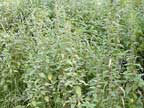
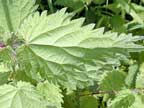
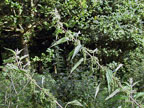
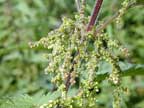
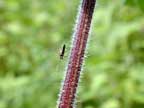
0.3-1.5m tall perennial plant (depending on situation), covered with stinging hairs. Leaves heart shaped, toothed and opposite 6-20cm long. Flowers green, in catkins. Very tough rhizomatous roots.
There are three naturalised and four native species of nettle in NZ. annual nettle and tree nettle are commonest.
Locally common in cultivated ground especially in the South Island.
Histamine, 5 hydroxytryptamine and acetylcholine in the sting. U. dioica has a more powerful sting than the annual nettle.
All species may be affected.
Pain and irritation. After massive exposure, tembling, vomiting, dyspnoea and weakness.
Very unlikelyto be fatal, although some dogs have died (in USA).
History
Other causes of dermatitis.
None necessary self limiting.
Good.
Conner H.E. The Poisonous Plants In New Zealand. 1992. GP Publications Ltd, Wellington
Cooper M R, Johnson A W. Poisonous Plants and Fungi in Britan: Animals and Human Poisoning. Her Majesty’s Stationary Office. London. 1998
Parton K, Bruere A.N. and Chambers J.P. Veterinary Clinical Toxicology, 2nd ed. 2001. Veterinary Continuing Education Publication No. 208
4 October, 2007